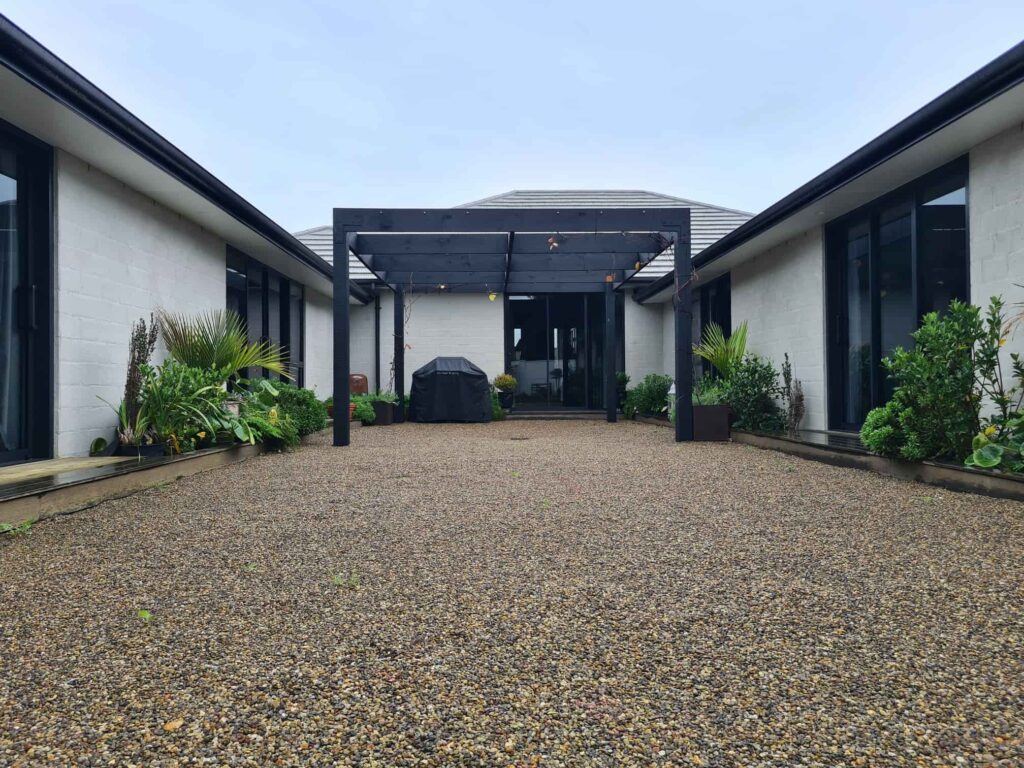
Australian summers are notorious for their extremes. On one hand, the relentless heat can send surface temperatures soaring well above the air temperature, while on the other, sudden downpours can turn neighbourhoods into temporary flood zones.
Traditional paving materials, such as concrete and asphalt, often struggle to cope with these conditions. Concrete, for instance, heats up quickly under the sun, storing that heat and then radiating it back into the environment at night. When moisture trapped in the surface evaporates, it further increases local humidity levels, contributing to the urban heat island effect.
Asphalt has its own problems. Under prolonged extreme heat, it can soften and even begin to melt. Not only does this create an unsightly mess, but it also weakens the integrity of the driveway or pathway, leading to ruts, surface damage and costly repairs.
Then there is the issue of water. Traditional, impermeable surfaces act like giant runoff areas. They don’t allow rainfall to soak into the soil beneath, so instead water flows across the surface. This can cause erosion, flash flooding, pooling and water damage around homes, not to mention serious strain on property drains and local stormwater systems. With rainfall patterns in Australia becoming more unpredictable and intense, this is a growing concern.
These challenges highlight the need for smarter solutions in landscape design. In this blog, we’ll explore the specific problems faced during an Australian summer and show how permeable paving systems can address them, all while providing resilience, practicality and style for modern homes.
Why Permeable Paving is a Summer Storm Saver?
Before we look at specific problem areas, it’s important to understand what makes permeable paving different from traditional concrete or asphalt. Rather than forming a solid, water-repelling slab, permeable pavers hold the surface material in place — often stones, gravel or decorative pebbles — while creating a solid foundation that functions just like a hard surface. The crucial difference is that water doesn’t run off these systems in sheets. Instead, it drains naturally through the surface material and pavers, into the ground below.
This approach delivers several key benefits:
- Stormwater control: By allowing rainfall to infiltrate into the soil, permeable paving reduces pooling, flash flooding and the strain on local drains.
- Durability in all conditions: Because water isn’t trapped beneath the surface, pavers resist the expansion and contraction that causes cracking in concrete and asphalt.
- Eco-conscious design: Stormwater filtering back into the ground helps recharge local water tables and supports healthier soil and plant life.
At the same time, permeable paving systems are built to handle real-world demands. They can carry the weight of vehicles, withstand the extremes of Australian summer weather, and deliver attractive finishes for everything from driveways and carparks to patios and BBQ areas.
It’s a case of understanding how different outdoor surfaces face unique summer challenges and how permeable paving provides smart, longer-lasting solutions.
Driveways That Don’t Crack Under the Heat!
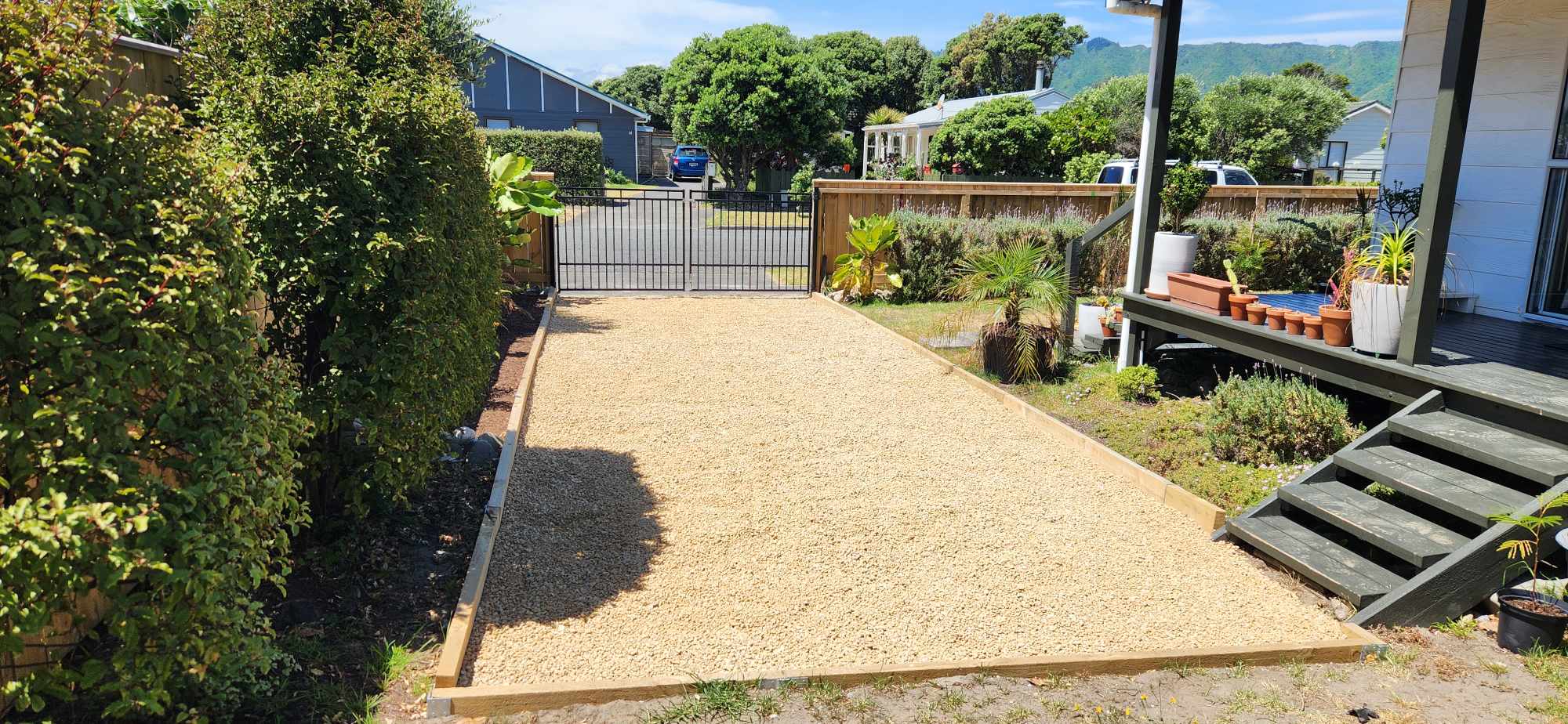
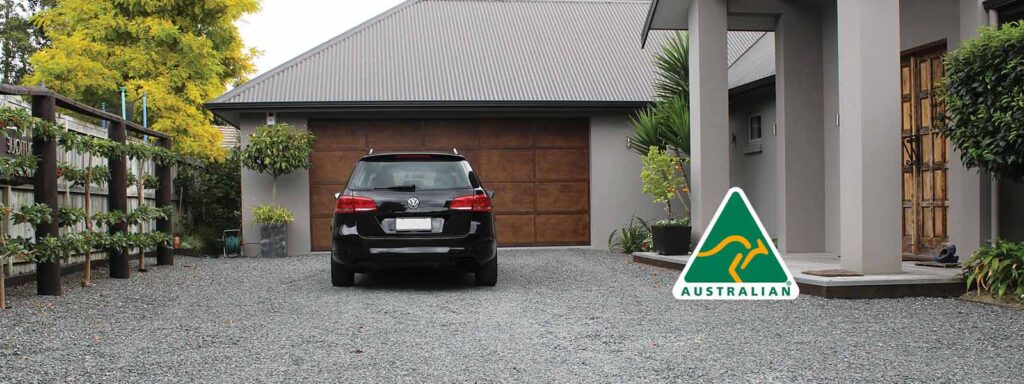
One of the biggest challenges for homeowners in summer is keeping driveways intact. Concrete slabs can expand in the heat and contract in cooler conditions. Over time, this cycle leads to visible cracks, which not only look unattractive but also allow weeds to grow through and water to penetrate. Asphalt driveways are even more vulnerable, with surfaces softening under extreme sun and eventually breaking down.
This can happen when soaring temperatures during a heatwave begin to cause hairline cracks in impermeable surfaces. Once rain follows, water seeps into these cracks. As temperatures drop at night, the trapped moisture expands, widening the damage. Over time, what began as minor cracks can develop into costly repairs and unsafe surfaces.
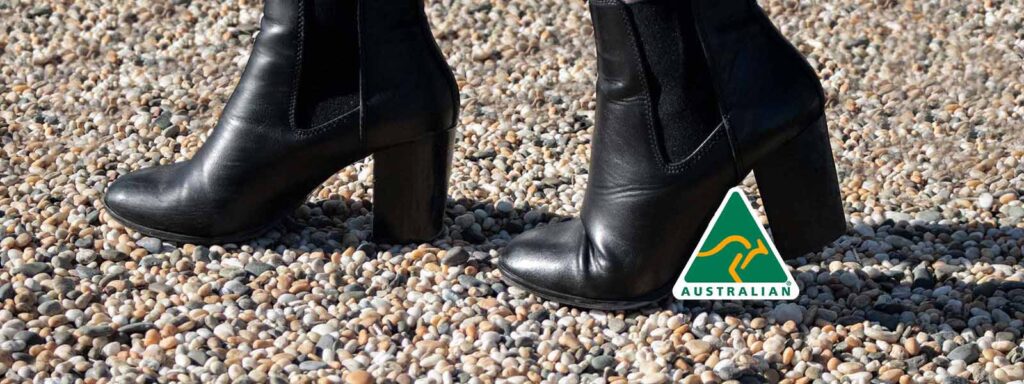
How permeable paving helps: Permeable pavers maintain a comparatively uniform surface temperature. Unlike solid slabs, they are composed of interlocking grid structures, which absorb less heat and allow for natural expansion without cracking. Because permeable pavers are filled with natural pebbles, they don’t heat as much and the pebbles protect the pavers from direct sunlight, meaning less exposure to UV light. Water also drains freely through the surface instead of being trapped, preventing the cycle of expansion and cracking altogether.
- Concrete and asphalt driveways expand, crack and degrade under heat
- Permeable pavers stay cooler, disperse heat, and drain water to avoid cracking
From Scorching Days to Sudden Storms
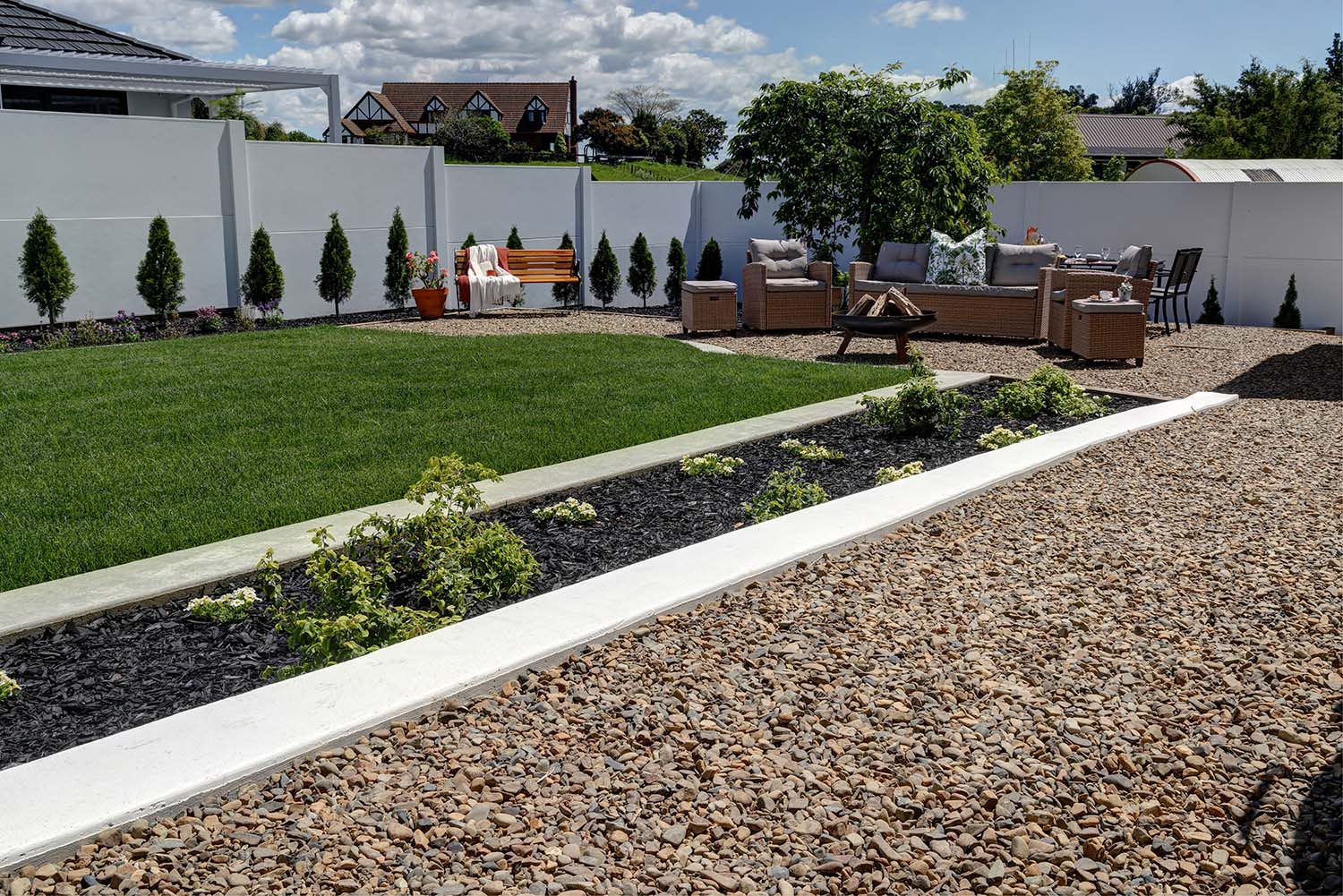
The extremes of summer don’t just damage driveways. Dirt tracks, paved pathways and even farm runways can suffer badly when hot, dry surfaces are suddenly hit with heavy rain. Traditional surfaces shed water rapidly, and that fast-moving runoff can strip away soil, wash out gravel, and even loosen paving materials. This leads to ruts, uneven surfaces, and ongoing maintenance challenges.
This is most common on non-paved areas. For example, a dirt or gravel driveway bakes hard in the summer sun, forming cracks and a brittle surface. When a sudden storm arrives, water races across the hardened ground instead of soaking in. The force of the runoff carries away fine soil and loose stones, leaving behind gullies, unstable surfaces, and even causes damage to nearby garden beds or drainage areas.
How permeable paving helps: The flexibility of permeable paving means that the paving system not only deals with heat, but it also allows a sudden influx of rainwater to filter steadily through the surface rather than rushing across it. This means no washouts, no dangerous ruts, and no need to continually replace gravel or soil. The structure supports the surface material, distributing loads evenly while keeping pathways stable and safe.
Landscaping ideas: Permeable pathways can be combined with swales or shallow rain gardens along their edges. For example, a garden path built with permeable pavers can direct excess rainwater into a planted strip of native grasses, which not only manages stormwater naturally but also adds a lush, attractive feature to the garden. In rural or semi-rural settings, farm tracks reinforced with permeable paving stay stable in all weather, reducing erosion and keeping access routes usable year-round, which is great for vehicles and animals that use it every day.
- Traditional dirt, gravel and paved surfaces erode after sudden storms
- Permeable paving slows water, prevents erosion and keeps surfaces stable
Beat the Heat: Designing Smarter Outdoor Spaces
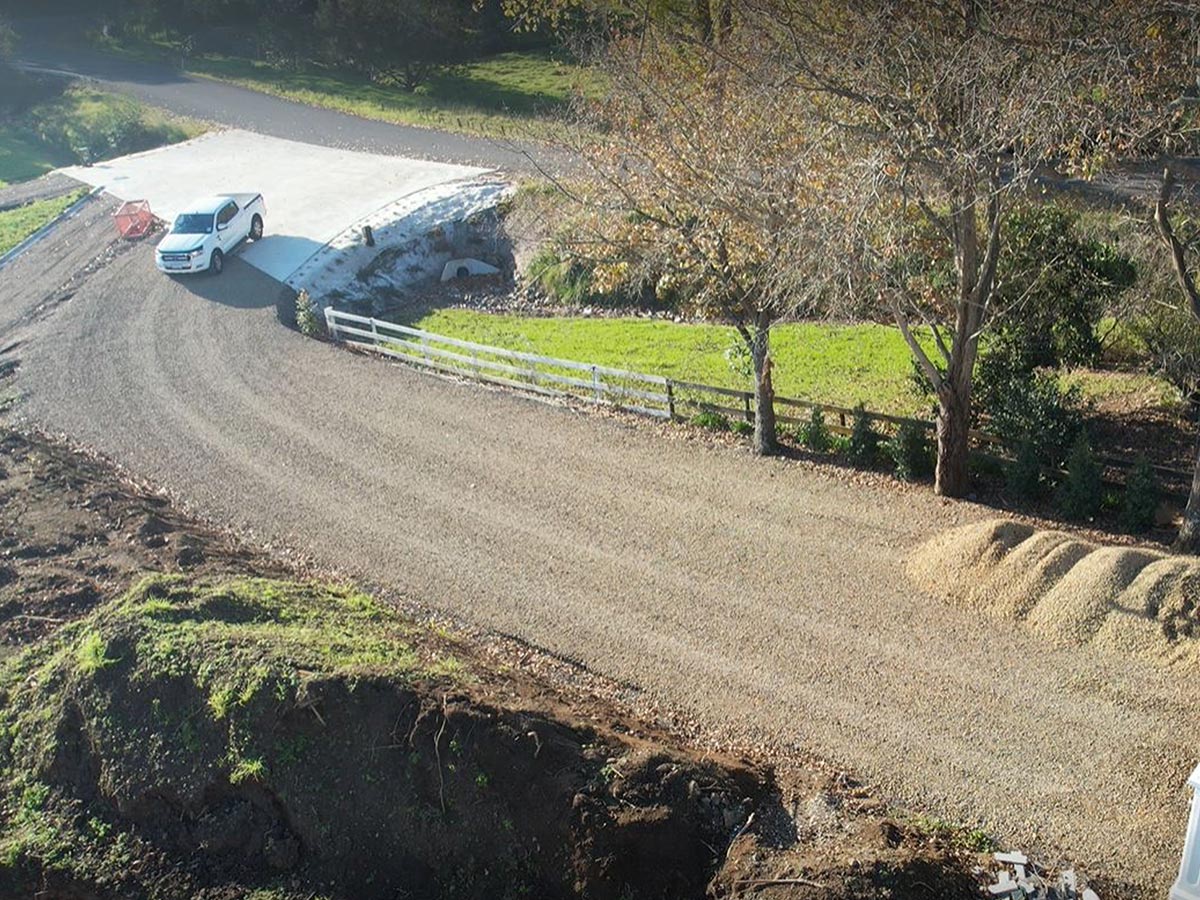
Outdoor entertaining is at the heart of every Australian summer, but patios, BBQ areas and pool surrounds can quickly become uncomfortably hot with traditional paving. Solid concrete and dark-coloured pavers absorb and radiate heat throughout the day, often making them too hot to walk on barefoot, especially for pets and kids. When rain falls and then evaporates under the sun, these surfaces also rapidly release moisture, creating sticky, humid conditions that actually make outdoor living unpleasant.
Imagine a north-facing patio that becomes unbearably hot by early afternoon, then the skies open and the rain comes. After a brief summer storm, the surface steams as moisture evaporates, increasing humidity and driving people back indoors just when it has cooled down and they’d prefer to be outside.
How permeable paving helps: Permeable pavers reduce heat build-up by allowing air and water to circulate through the surface. This helps them remain noticeably cooler than solid slabs. When filled with lighter-coloured stones or decorative pebbles, they reflect more sunlight and further minimise heat absorption. Because water drains naturally through the system, there is no sudden evaporation spike after rainfall, which reduces the heavy humidity effect around patios and pool areas.
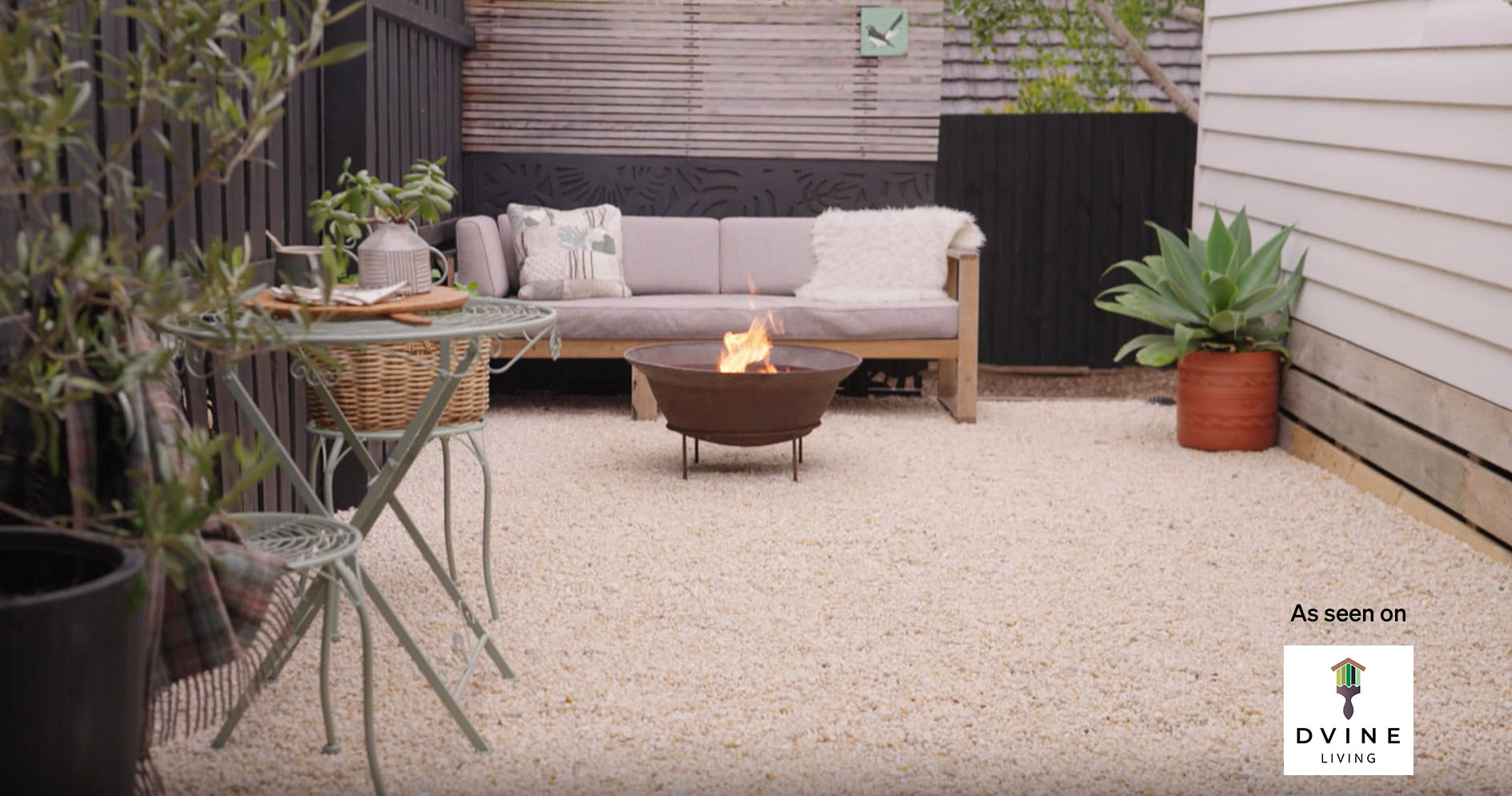
Landscaping ideas: Incorporating permeable paving into outdoor spaces opens up many creative options for keeping areas cooler and more comfortable. Pergolas covered with climbing plants can provide natural shade, while permeable pavers beneath ensure the surface stays usable even in the heat of the day. Double-layered permeable pots filled with native shrubs or small trees add greenery without the need for constant weeding, while also helping to maintain plant height and structure for consistent shade. Around BBQ or firepit areas, decorative pebbles locked in place with permeable paving create a stable and stylish surface that stays cooler underfoot, allowing these spaces to be enjoyed at any time of day.
- Traditional patios trap heat and create humidity after rain
- Permeable paving reduces heat and humidity, staying comfortable in summer
- Shade planting, permeable pots and stabilised stone BBQ areas enhance liveability
A Smarter Permeable Surface for Every Australian Home
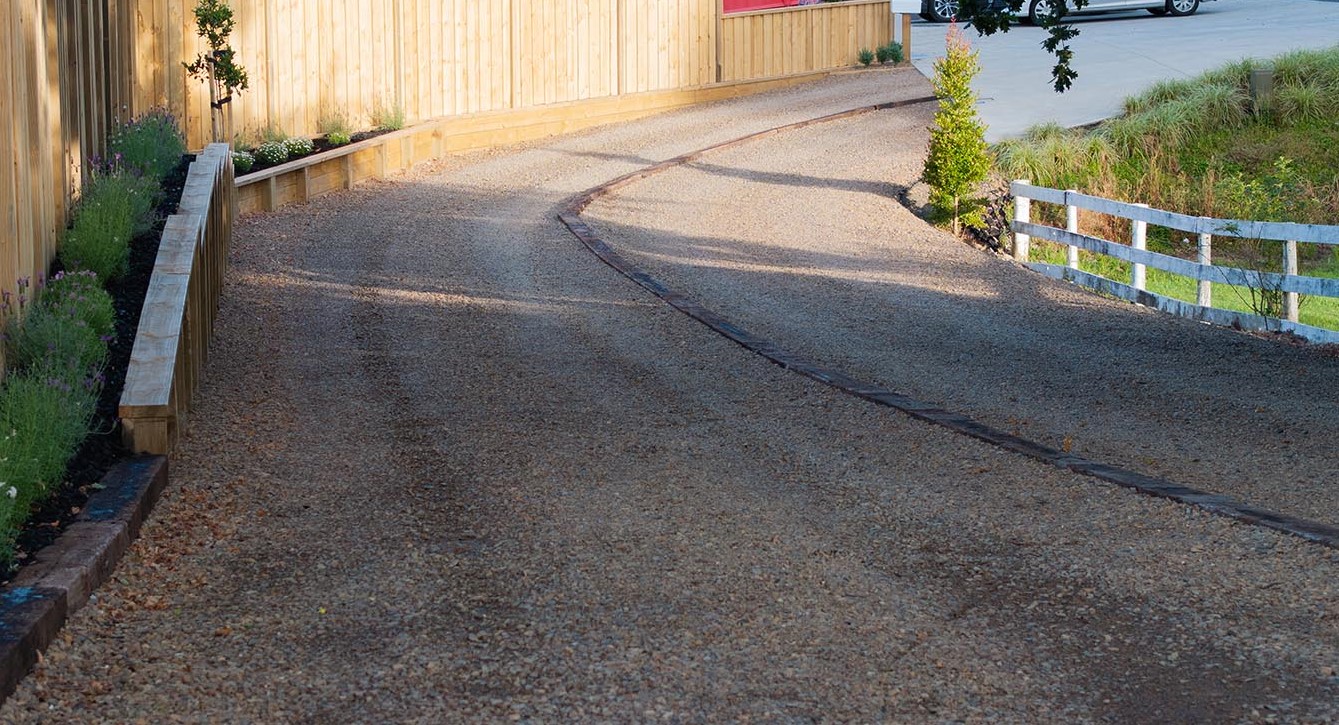
Australian summers test the limits of every outdoor surface. From driveways cracking under heat, to pathways eroding after sudden storms, and patios that become too hot to use, the challenges are clear. Permeable paving provides a practical, attractive and sustainable way forward, offering resilience where traditional paving fails.
When planning your outdoor spaces, ask yourself: Does your driveway show early signs of cracking when temperatures climb, and could a more flexible surface withstand the extremes better? Do your pathways or access routes wash out after a storm, and would a permeable surface prevent erosion and keep them stable year-round? Is your patio or BBQ area too hot to enjoy in summer, and could a cooler, breathable paving material make it more comfortable?
By asking these questions and matching each space with the right permeable system, homeowners can design outdoor areas that not only survive Australian summers but make them more enjoyable. Durable, low-maintenance, and storm-ready, the Strol permeable paving solutions give every home the foundation it needs to thrive in the heat and rain.